
희망기구소식
희망기구소식
미래희망기구의 소식 입니다.
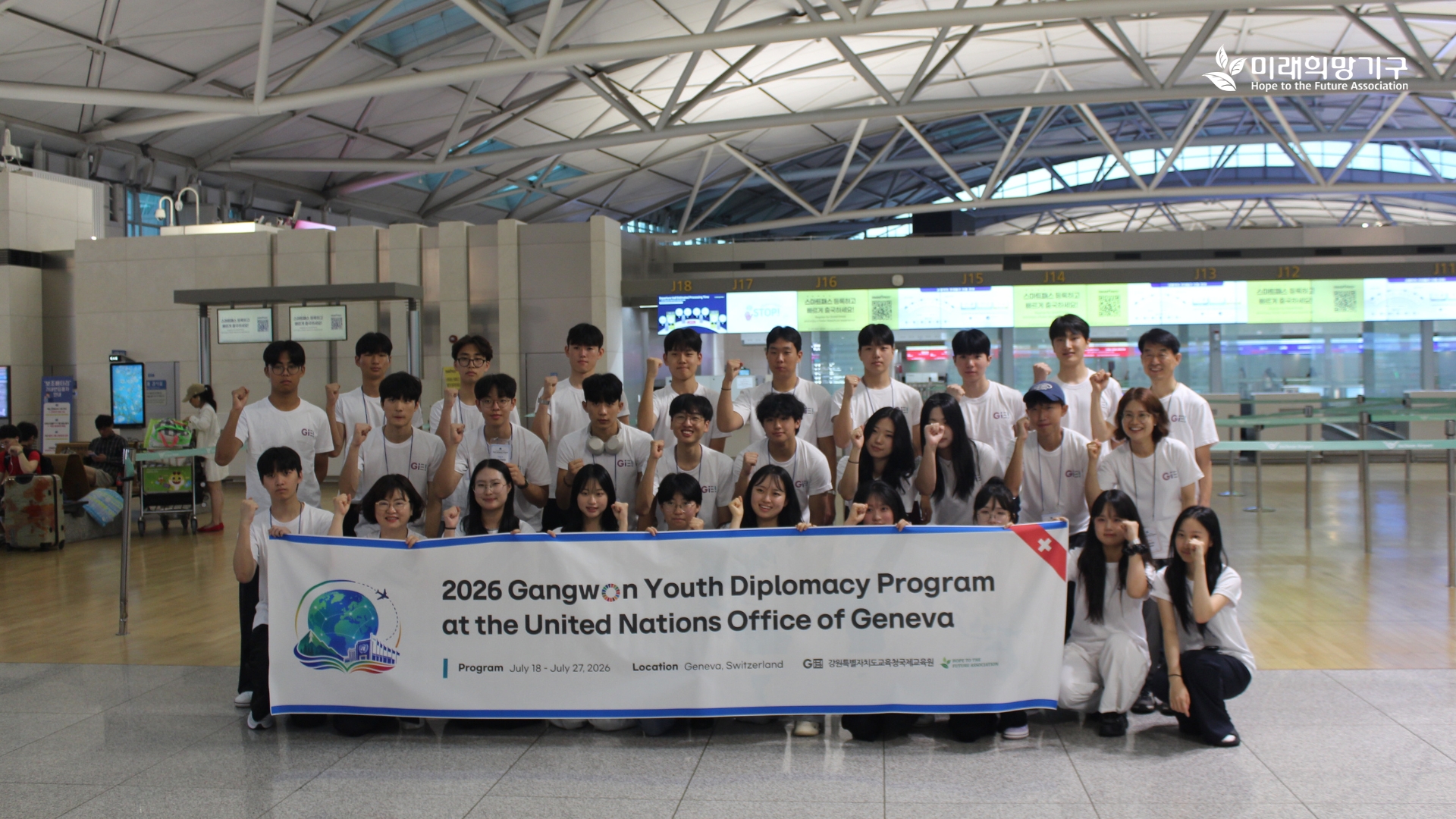
(사)미래희망기구는 강원특별자치도교육청국제교육원과 함께 관내 고등학교 학생회장 26명을 인솔하여 스위스 제네바에서 2026 강원 청소년 외교교육 프로그램을 운영하였습니다.
본 프로그램은 세계 평화, 기후위기 대응, 빈곤과 불평등 해소 등 국경을 초월한 국제적 의제에 대한 청소년들의 관심과 이해를 높이고, 유엔 제네바 사무소와 국제기구를 중심으로 진행되는 글로벌 리더십 교육을 통해 학생들의 국제적 시야와 진로 역량을 강화하고자 기획되었습니다.참가 학생들은 출국 전 국내에서 총 6차시에 걸친 사전교육을 이수한 뒤, 스위스 현지에서 8박 10일간의 본 교육에 참여하였습니다. 주요 일정은 팔레 데 나시옹(Palais des Nations) 공식 가이드 투어, 유엔 및 국제기구 현직자 간담회, 국제기구 방문 및 전문가 강연, Youth SDGs 워크샵, SDGs 소그룹 프로젝트, 스위스 문화탐방 등으로 구성되었습니다.
Hope to the Future Association, in partnership with the Gangwon International Education Institute, organized the 2026 Gangwon Youth Diplomacy Training Program in Geneva, Switzerland, for 26 student council presidents representing high schools across Gangwon State. The program was designed to deepen students’ awareness and understanding of transnational issues?including world peace, climate action, poverty, and inequality?and to strengthen their global competencies and career readiness through leadership training centered on the United Nations Office at Geneva and Geneva-based international organizations.
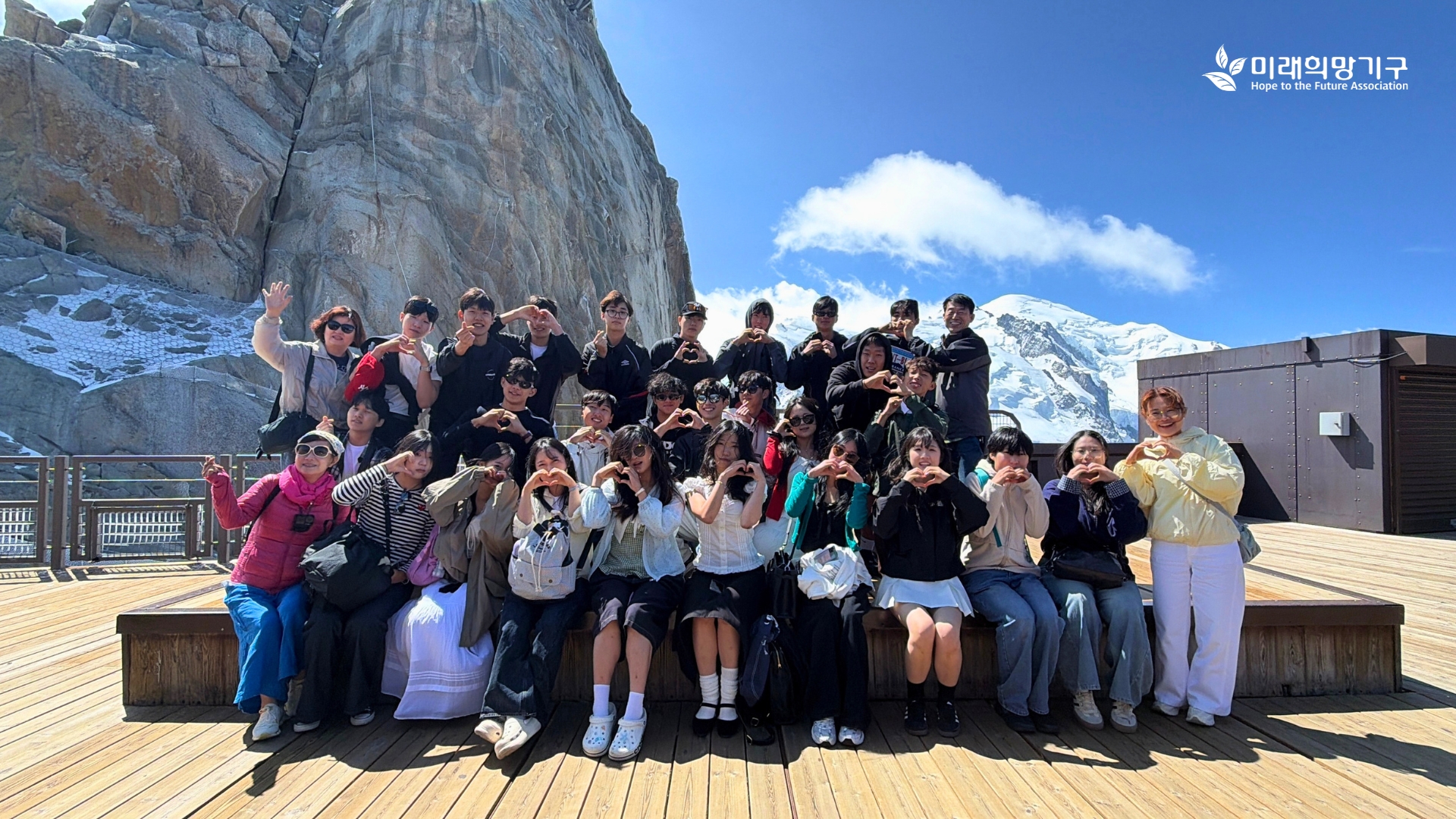
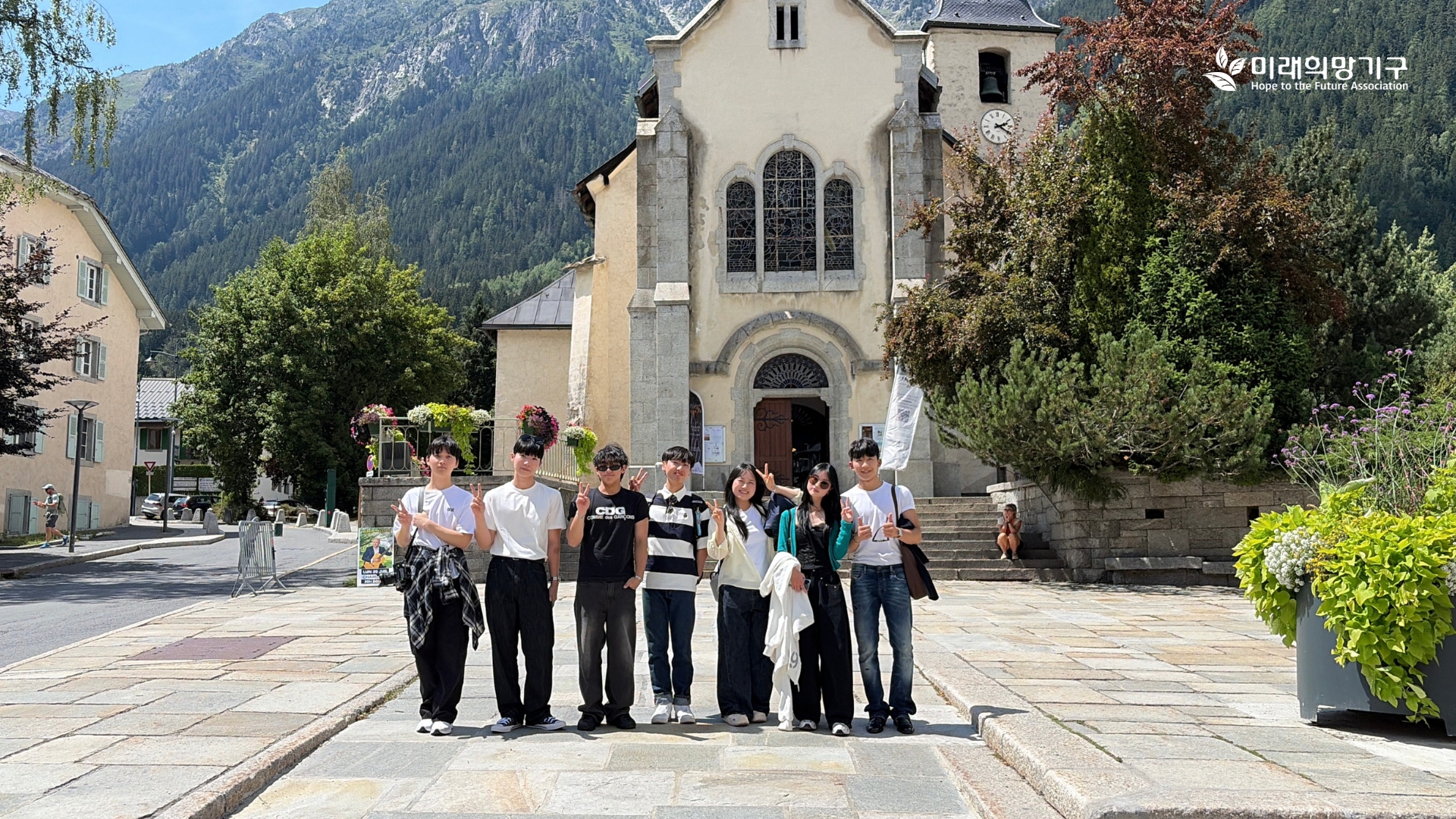
국외 일정의 첫 시작으로 학생들은 프랑스와 이탈리아의 국경 지대에 자리한 알프스산맥의 최고봉, 몽블랑(Mont Blanc)을 찾았습니다.
몽블랑은 눈 덮인 봉우리와 웅장한 빙하 지형으로 잘 알려진 유럽의 대표적인 자연 명소인 동시에, 기후변화가 고산 지대에 미치는 영향을 직접 관찰할 수 있는 장소이기도 합니다. 학생들은 해발 수천 미터에 이르는 고지대에서도 눈이 상당 부분 녹아 있는 모습을 살펴보며, 기후위기가 먼 미래의 문제가 아니라 오늘날 전 세계에서 실제로 나타나고 있는 변화임을 체감하였습니다. 책과 강의를 통해 접했던 기후변화의 영향을 자연 현장에서 직접 확인한 이번 탐방은 학생들이 환경 문제를 보다 구체적이고 현실적인 관점에서 바라보는 계기가 되었습니다.
The program began with a visit to Mont Blanc, the highest peak in the Alps. Situated near the border between France and Italy, Mont Blanc is renowned for its snow-covered peaks and magnificent glacial landscape. At the same time, it provides a striking setting in which to observe the effects of climate change on high-altitude environments. Even at elevations of several thousand meters, the students could see areas where snow had receded considerably, illustrating that the climate crisis is not a distant possibility but a present-day reality unfolding around the world. The visit encouraged them to understand environmental challenges from a more concrete and immediate perspective.
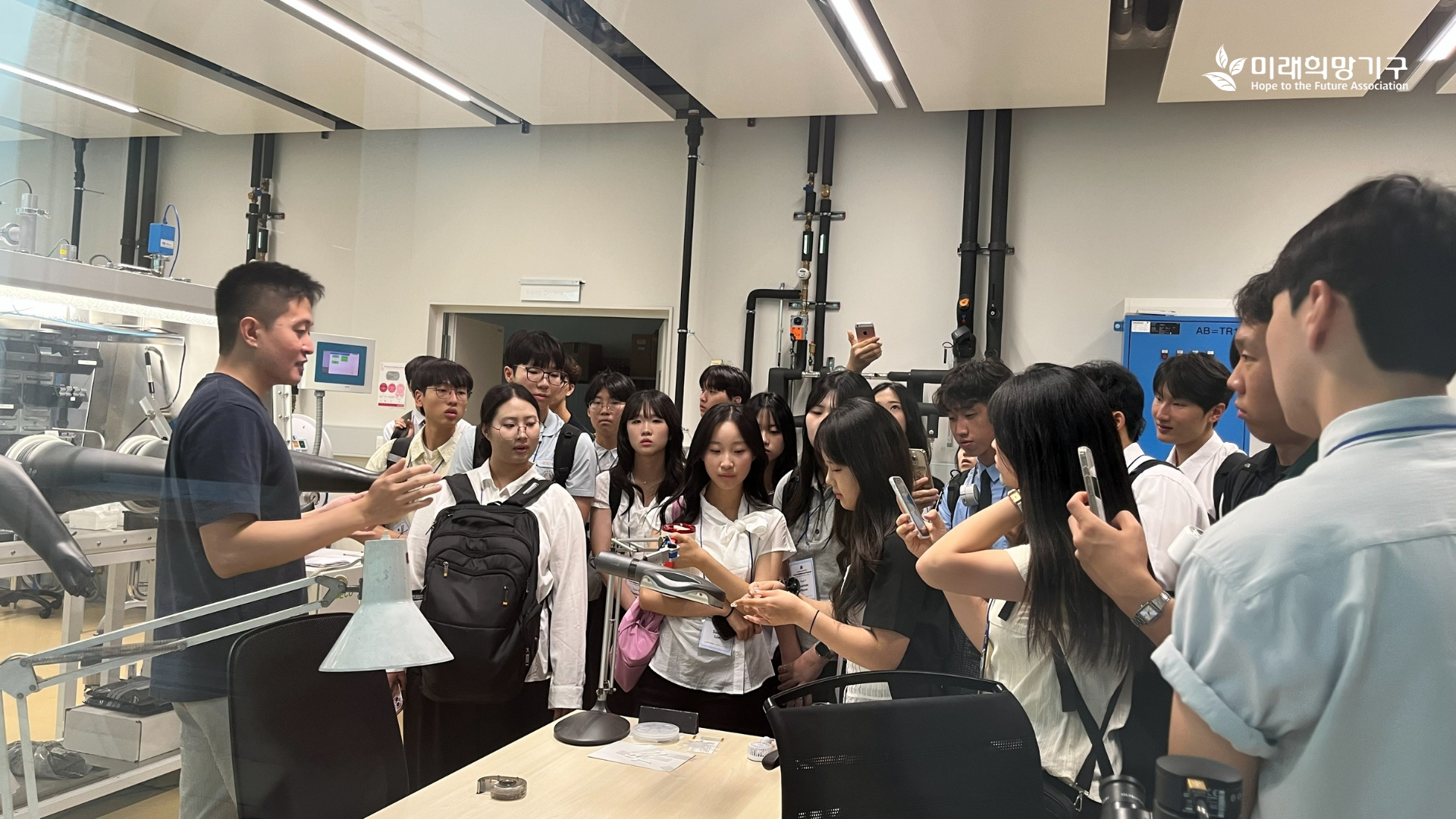
이번 방문에서는 제네바대학교에서 박사후연구원으로 활동 중인 한국인 선배와의 멘토링 간담회가 진행되었습니다. 학생들은 해외 대학에서의 학업과 연구 생활, 전공 및 진로 선택 과정, 글로벌 무대에서 활동하기 위해 필요한 역량 등에 관한 생생한 이야기를 들었습니다. 또한 평소 궁금했던 내용을 자유롭게 질문하며 자신의 진로를 보다 구체적으로 그려보는 시간을 가졌습니다.
The students then visited the University of Geneva, one of Switzerland’s leading institutions of higher education. During the visit, the students participated in a mentoring session with a Korean postdoctoral researcher at the university. They heard firsthand about studying and conducting research overseas, selecting an academic field and career path, and developing the competencies required to work in an international environment. The students also had an opportunity to ask questions and reflect more concretely on their own academic and professional goals. Meeting a Korean researcher pursuing an academic career in an international setting helped the students broaden their understanding of global career opportunities and provided valuable motivation as they considered their future studies and aspirations.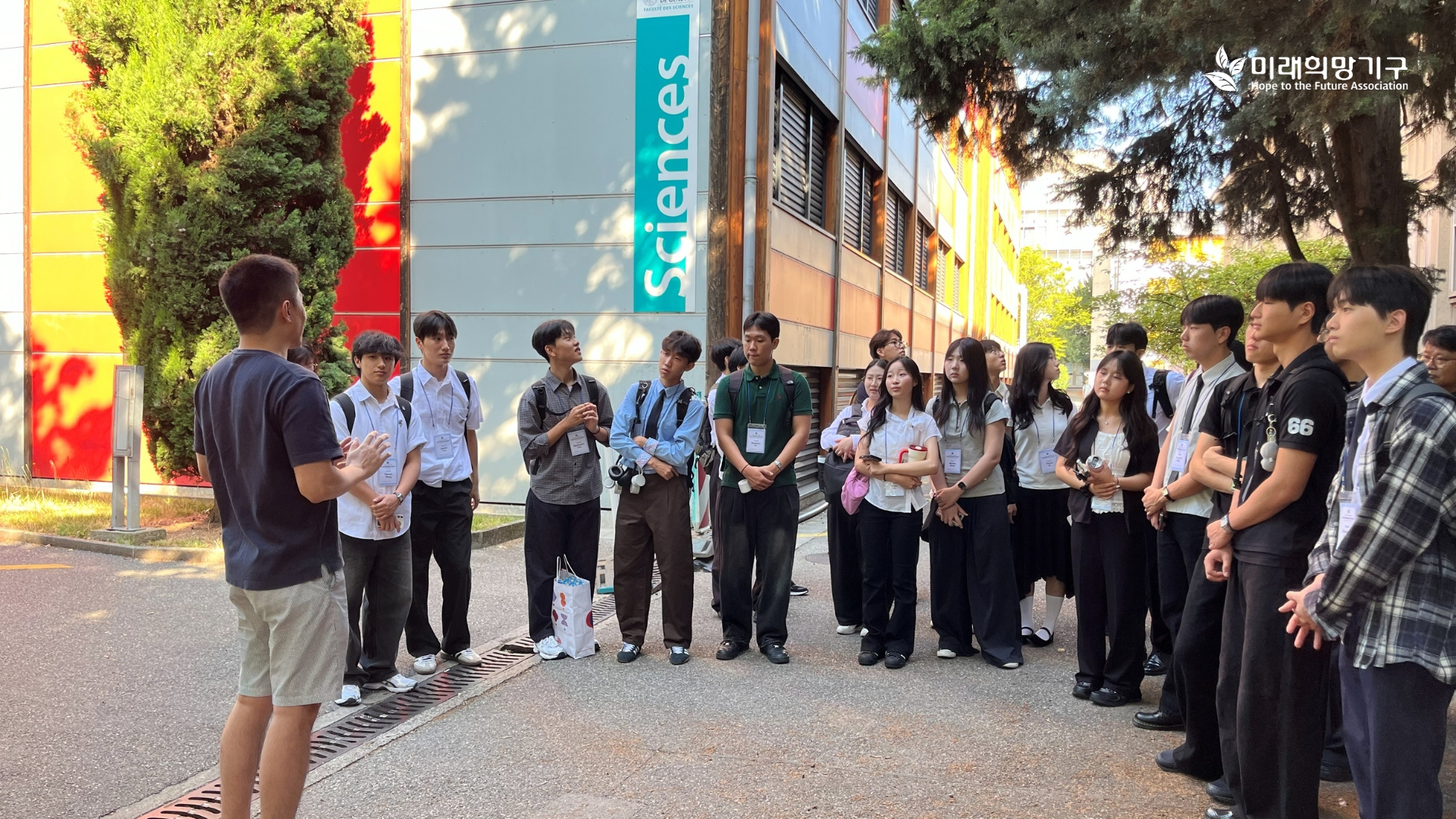
이후 학생들은 국제적 논의와 다자외교의 중심지인 제네바에서 주요 국제기구를 방문하고, 현직 전문가들과 함께 국제사회가 직면한 핵심 과제를 살펴보았습니다.
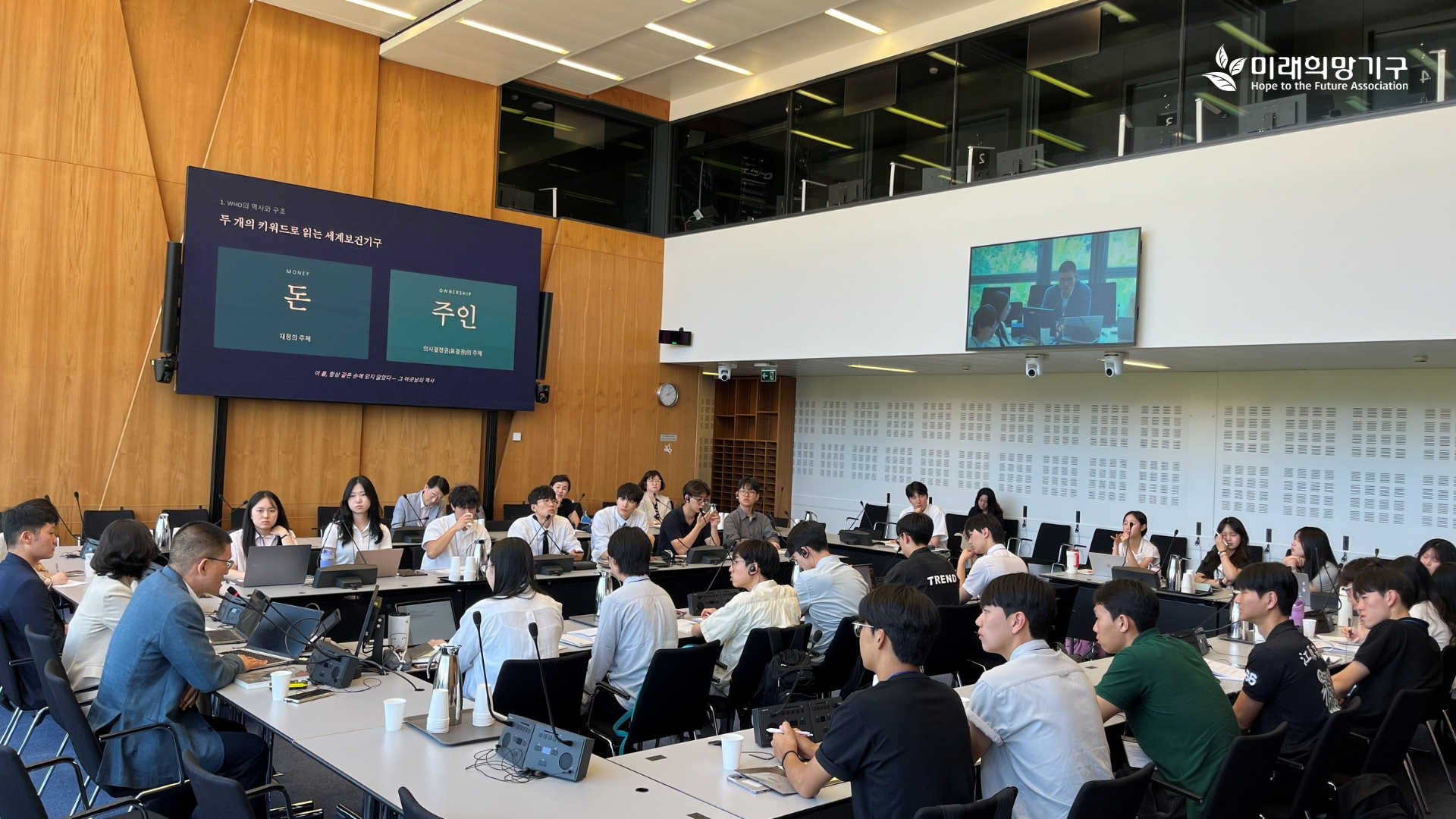
세계보건기구(World Health Organization, WHO)세계보건기구에서는 WHO의 역할과 국제사회가 국가 간 협력을 통해 공중보건 위기에 대응하는 방식을 알아보는 세션이 진행되었습니다. 감염병과 같은 보건 위기는 국경을 넘어 빠르게 확산될 수 있으므로 어느 한 국가의 노력만으로 해결하기 어렵습니다. 학생들은 WHO가 국제적인 보건 기준과 지침을 마련하고, 회원국 간 정보 공유와 정책 조정을 지원하며, 국제적 공중보건 위기에 대한 공동 대응을 이끄는 과정을 학습하였습니다.
특히 코로나19 팬데믹을 비롯한 실제 국제 보건 위기와 동물에서 사람으로 전파되는 인수공통감염병 사례를 통해, 국가 간 긴밀한 정보 공유와 공동 대응이 왜 필요한지 살펴보았습니다. 이와 함께 백신과 필수 의료 서비스에 대한 접근성, 국가와 지역에 따라 나타나는 보건 격차, 모든 사람이 필요한 의료 서비스를 공정하게 이용할 수 있도록 하는 보건 형평성의 중요성에 대해서도 논의하였습니다. 또한 글로벌 보건 거버넌스 안에서 WHO와 회원국, 전문가 및 시민사회가 어떠한 역할을 수행하는지 구체적으로 살펴볼 수 있었습니다.
At WHO, the students learned about WHO’s role and how the international community responds to public health challenges through cooperation among countries. Because health emergencies such as infectious disease outbreaks can spread rapidly across borders, they cannot be effectively addressed by any single country acting alone. The students examined how WHO develops international health standards and guidance, supports information sharing and policy coordination among its Member States, and helps coordinate collective responses to international public health emergencies. The session encouraged the students to view health not simply as a matter of individual illness and medical treatment, but as an issue connected to international cooperation, human rights, and sustainable development. It also helped them understand the respective roles of WHO, its Member States, health professionals, and civil society within global health governance.
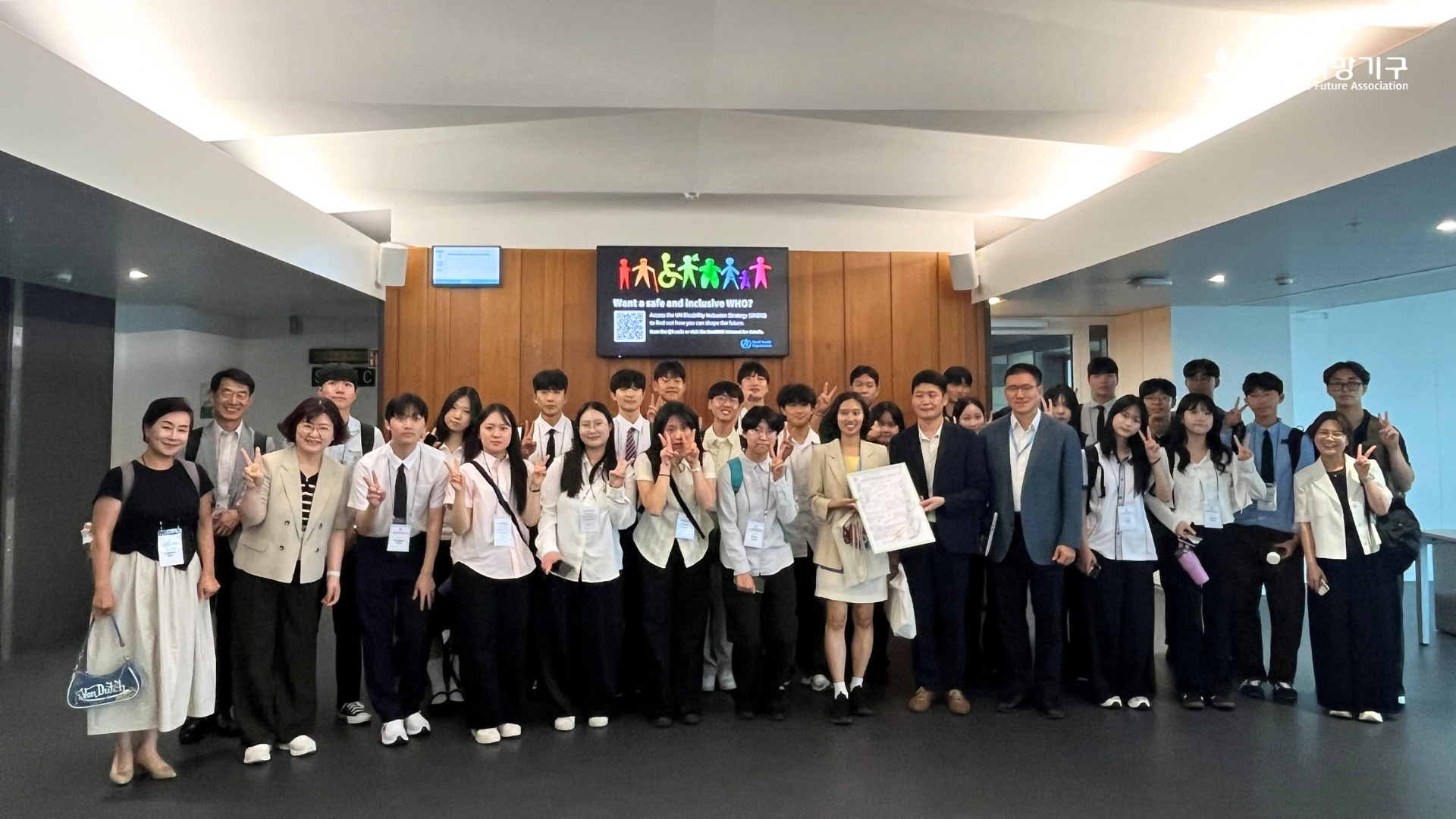
유엔식량농업기구(Food and Agriculture Organization of the United Nations, FAO)
유엔식량농업기구 세션에서는 전 세계의 식량안보와 기아 문제를 중심으로, 모든 사람이 안전하고 영양가 있는 식품에 안정적으로 접근할 수 있도록 하기 위해 FAO와 국제사회가 수행하는 역할을 살펴보았습니다. 오늘날 전 세계적으로 많은 양의 식량이 생산되고 있음에도 불구하고, 빈곤과 무력분쟁, 기후변화, 불안정한 유통 구조, 식량에 대한 접근성의 격차 등으로 인해 기아와 영양 불균형은 여전히 지속되고 있습니다. 또한 농업을 단순히 식량을 생산하는 산업으로 바라보는 데서 나아가, 기후변화와 생물다양성, 농촌 개발, 국제무역 및 지역사회의 생계와 긴밀하게 연결된 분야로 이해하였습니다. 특히 FAO가 설립한 청년 주도형 글로벌 네트워크인 세계식량포럼(World Food Forum, WFF)과 국가별 청년 지부(National Youth Chapters)의 활동도 소개되었습니다.
학생들은 SDG 2 ‘기아 종식’을 달성하기 위해서는 빈곤 감소와 기후행동, 책임 있는 생산과 소비, 생태계 보호, 국제협력 등 여러 지속가능발전목표가 함께 추진되어야 한다는 점을 이해할 수 있었습니다.
The FAO session focused on global food security and hunger, examining the role of FAO and the wider international community in ensuring that everyone has reliable access to safe and nutritious food. The students learned that food insecurity does not result solely from insufficient production. Rather, it emerges from a complex interaction among the ways food is produced, distributed, and consumed, as well as underlying social and economic inequalities. The students were also encouraged to understand agriculture as more than the production of food. They examined its close connections with climate change, biodiversity, rural development, international trade, and local livelihoods. This discussion underscored the need to transition toward sustainable agrifood systems that protect the environment, provide a stable food supply, and create fairer outcomes for both producers and consumers.
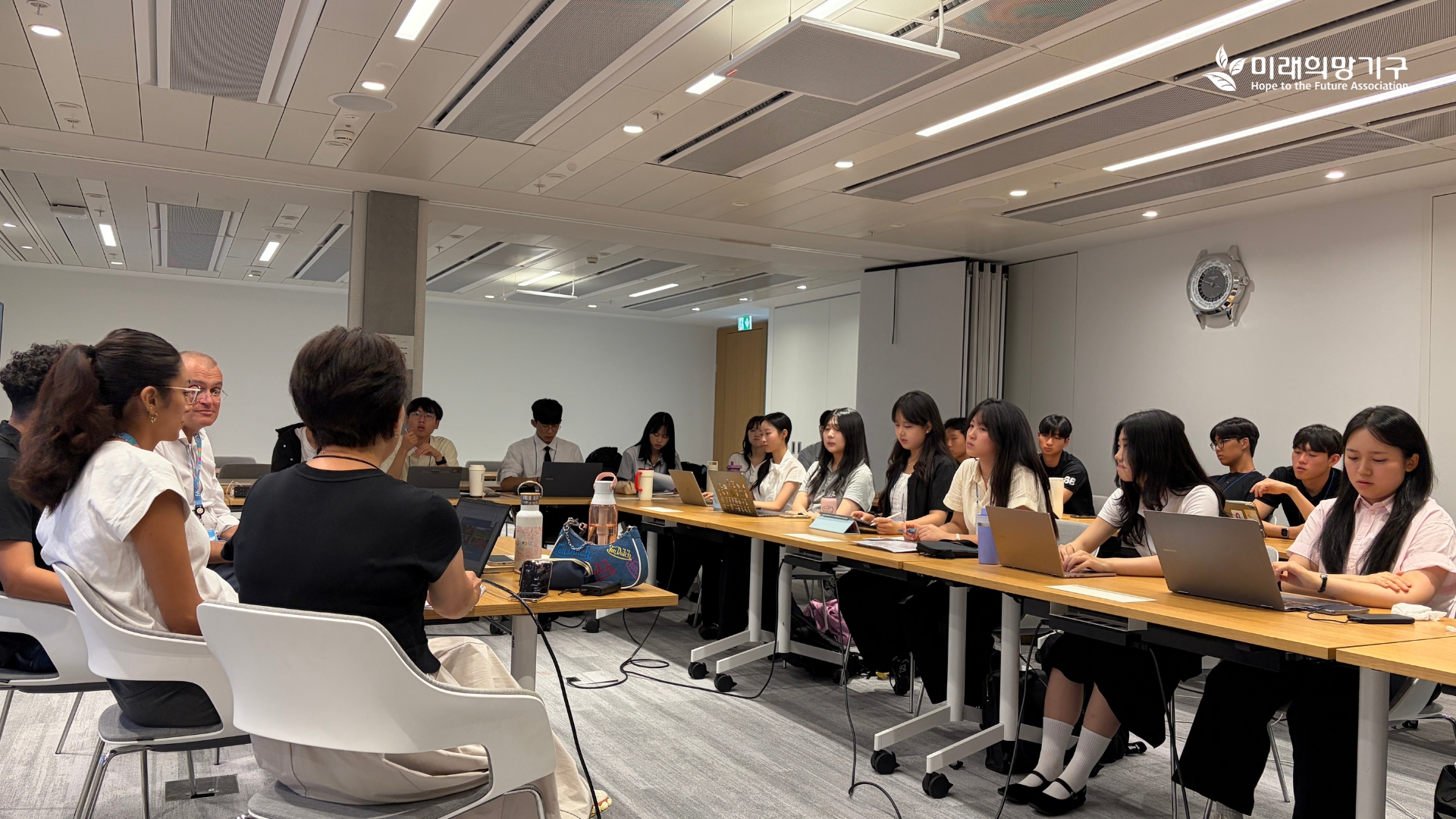
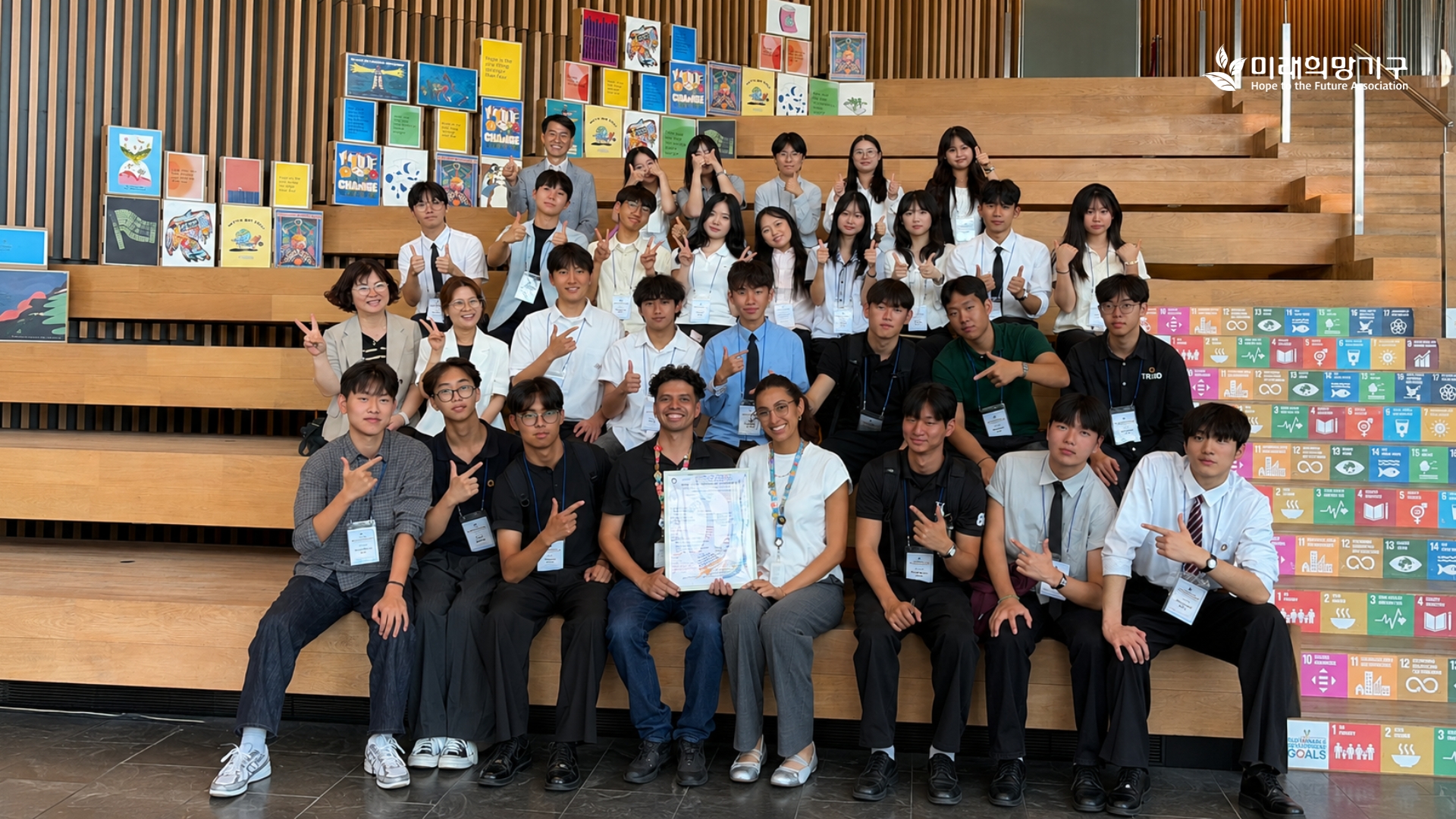
넷째 날, 학생들은 제네바 유엔(UN) 본부 공식 승인 하에 진행된 Youth SDGs 워크샵에 참여하였습니다. 본 워크샵은 유엔 공보국(UN DGC) 및 경제사회이사회(ECOSOC) 특별협의지위를 획득한 (사)미래희망기구가 주최한 국제 청소년 행사로, “Youth Engagement and SDG 17: Strengthening Partnerships through Multilateral Dialogue”를 주제로 진행되었습니다.
On the fourth day, the students participated in the Youth SDGs Workshop, held at the Palais des Nations with the official authorization of the United Nations Office at Geneva. The international youth event was organized by Hope to the Future Association, an NGO associated with the United Nations Department of Global Communications (UN DGC) and in special consultative status with the United Nations Economic and Social Council (ECOSOC). The workshop was held under the theme “Youth Engagement and SDG 17: Strengthening Partnerships through Multilateral Dialogue.”
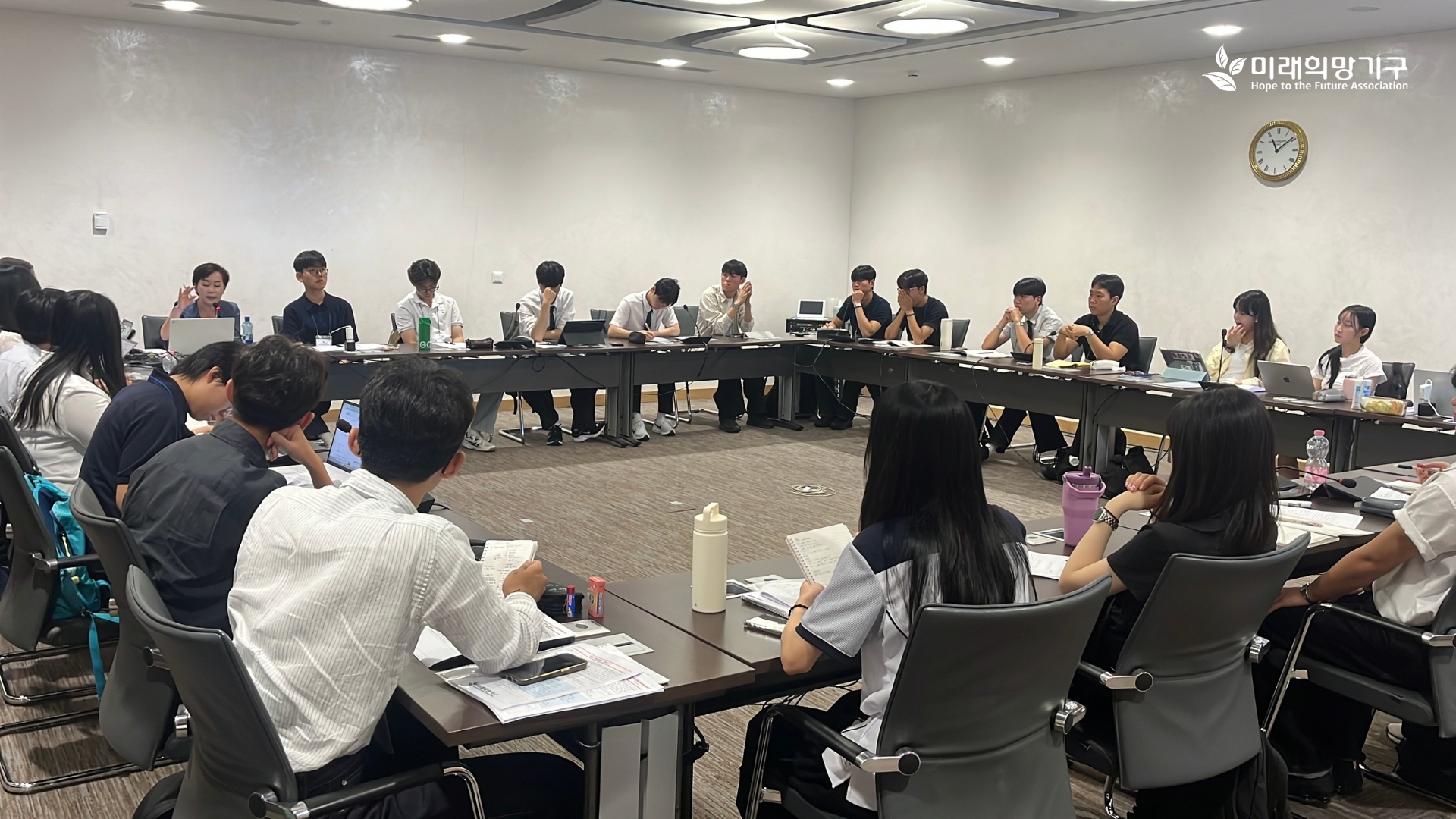
워크숍에서는 국제사회의 다양한 주체가 공동의 문제를 해결하기 위해 대화하고 협력하는 다자주의의 의미와, 정부·국제기구·시민사회·청년 간 파트너십의 중요성을 중점적으로 다루었습니다. 특히 다자주의와 국제협력을 증진해 온 국제 비정부기구인 유엔협회세계연맹(World Federation of United Nations Associations, WFUNA)과 (사)미래희망기구 현직자가 강연자로 참여하여, 국제사회에서 시민사회와 청소년이 수행할 수 있는 역할에 관한 경험과 통찰을 공유하였습니다.
학생들은 강연을 듣는 데 그치지 않고, 국제사회가 직면한 문제와 청소년 참여의 의미에 대해 한국어와 영어로 자신의 생각을 발표하고 의견을 나누었습니다. 서로 다른 관점과 경험을 존중하며 공동의 해결책을 모색하는 학생들의 모습은 이번 워크숍의 핵심 주제인 ‘다자간 대화를 통한 파트너십’을 직접 보여주었습니다.
유엔무역개발회의(UN Trade and Development, UNCTAD)
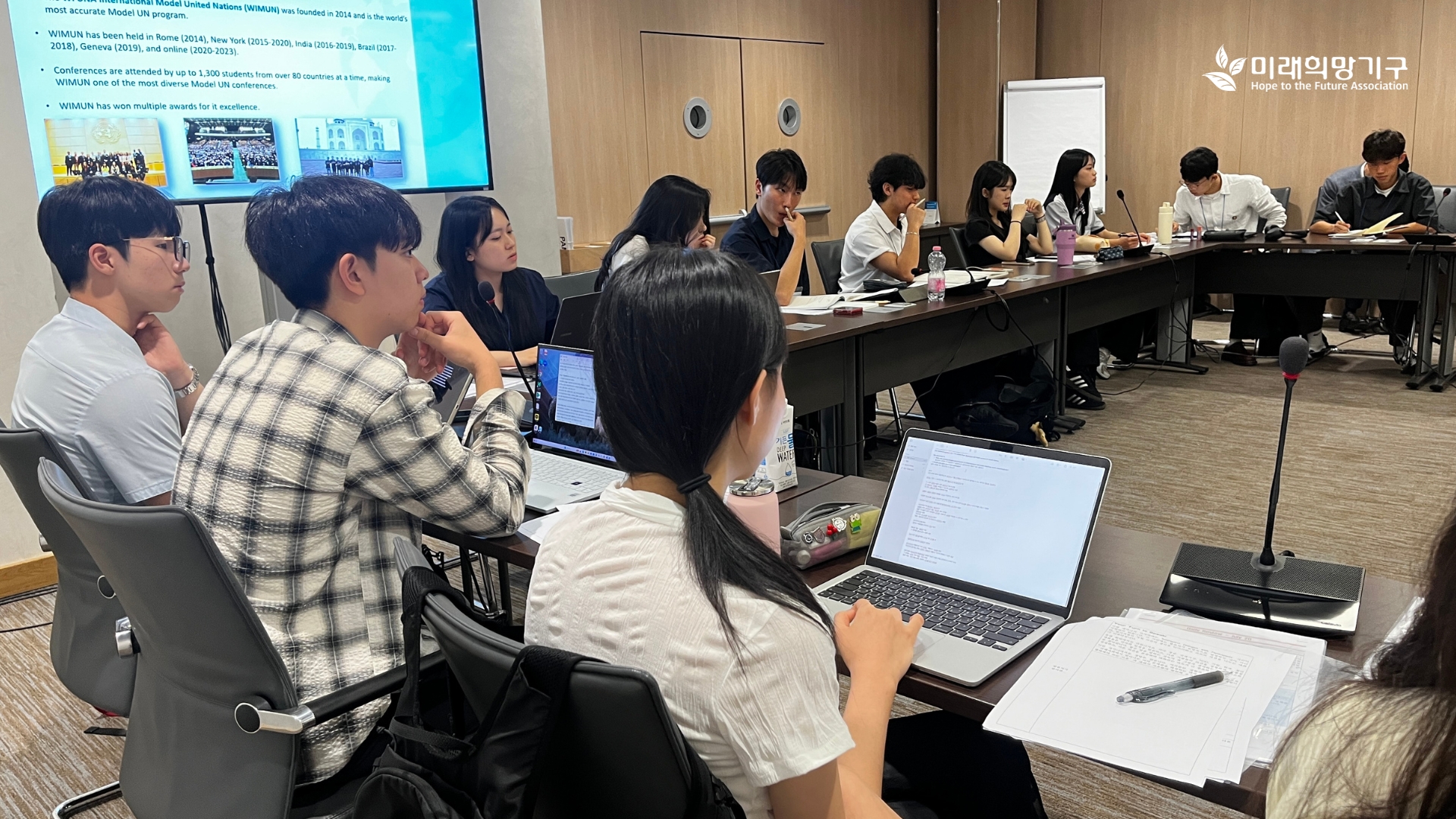
오후에는 유엔무역개발회의에 재직 중인 한국인 전문가와 함께 국제무역과 지속가능발전의 관계를 살펴보는 시간을 가졌습니다.
학생들은 선진국과 개발도상국 간 경제적 격차와 국제무역 구조를 살펴보고, 개발도상국이 세계 경제에 보다 공정하고 효과적으로 참여할 수 있도록 UNCTAD가 수행하는 연구, 데이터 분석, 정책 자문 및 국제적 합의 형성 지원의 역할을 학습하였습니다.
특히 무역 규모의 확대나 경제성장 자체가 곧 지속가능발전을 의미하는 것은 아니며, 무역을 통해 창출된 기회와 이익이 국가와 지역, 산업 및 사회 구성원들에게 어떻게 분배되는지 역시 중요하다는 점을 탐구하였습니다. 또한 무역정책이 빈곤과 불평등, 고용, 환경, 기술 격차 등 다양한 문제와 긴밀하게 연결되어 있다는 사실도 함께 살펴보았습니다. 아울러 국제기구에서 활동하는 한국인 전문가와의 만남을 통해 국제 분야의 다양한 진로를 구체적으로 탐색하는 기회도 가졌습니다.
The session examined how international trade can serve as an important driver of economic growth and national development while producing very different outcomes depending on each country’s economic conditions, industrial structure, and bargaining power in international markets. The students explored economic disparities between developed and developing countries and the structure of international trade. They also learned how UNCTAD supports developing countries in participating in the global economy more fairly and effectively through research, data analysis, policy advice, and international consensus-building. Meeting a Korean professional working in an international organization also allowed them to explore global career pathways in a more tangible way.
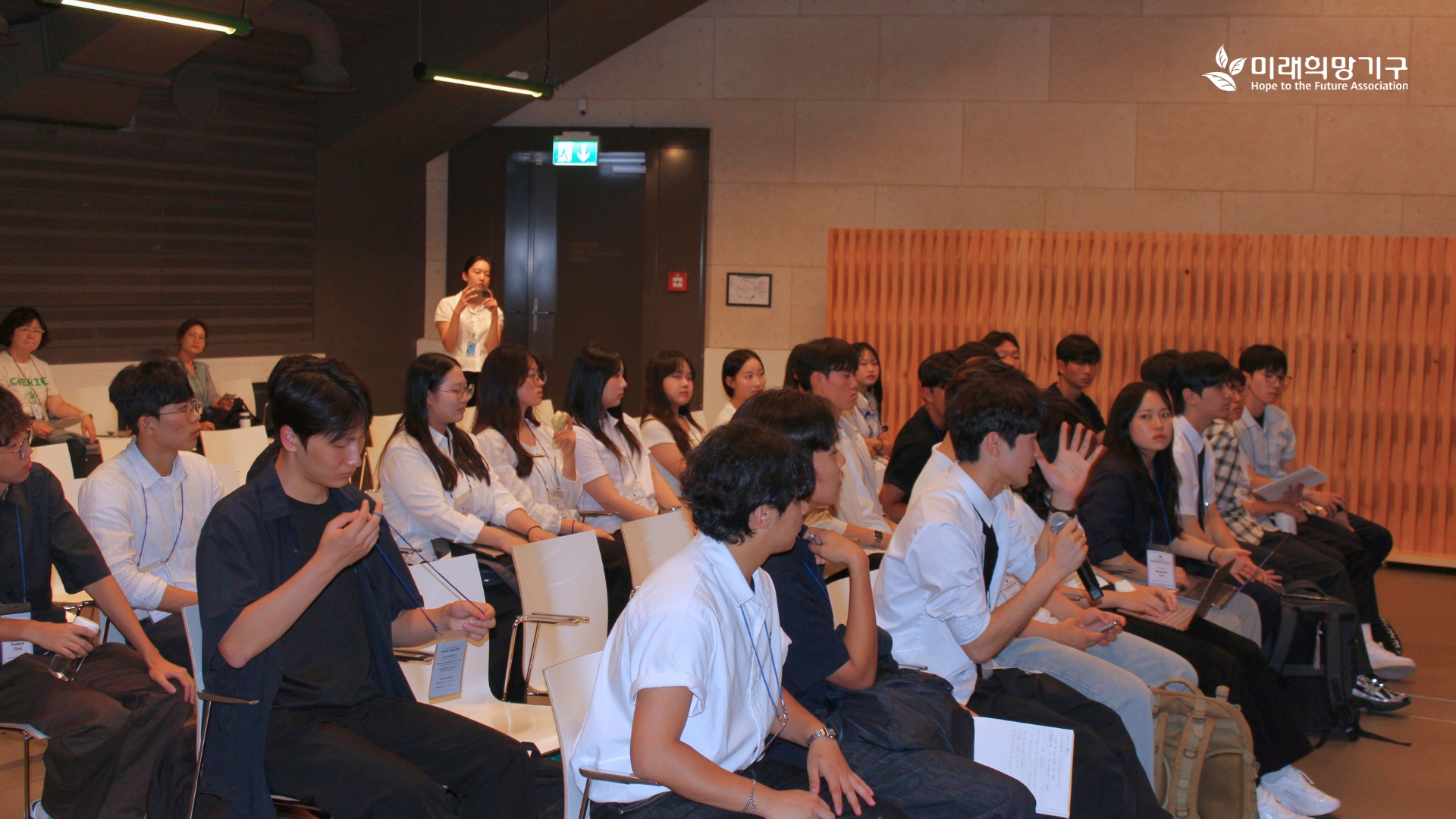
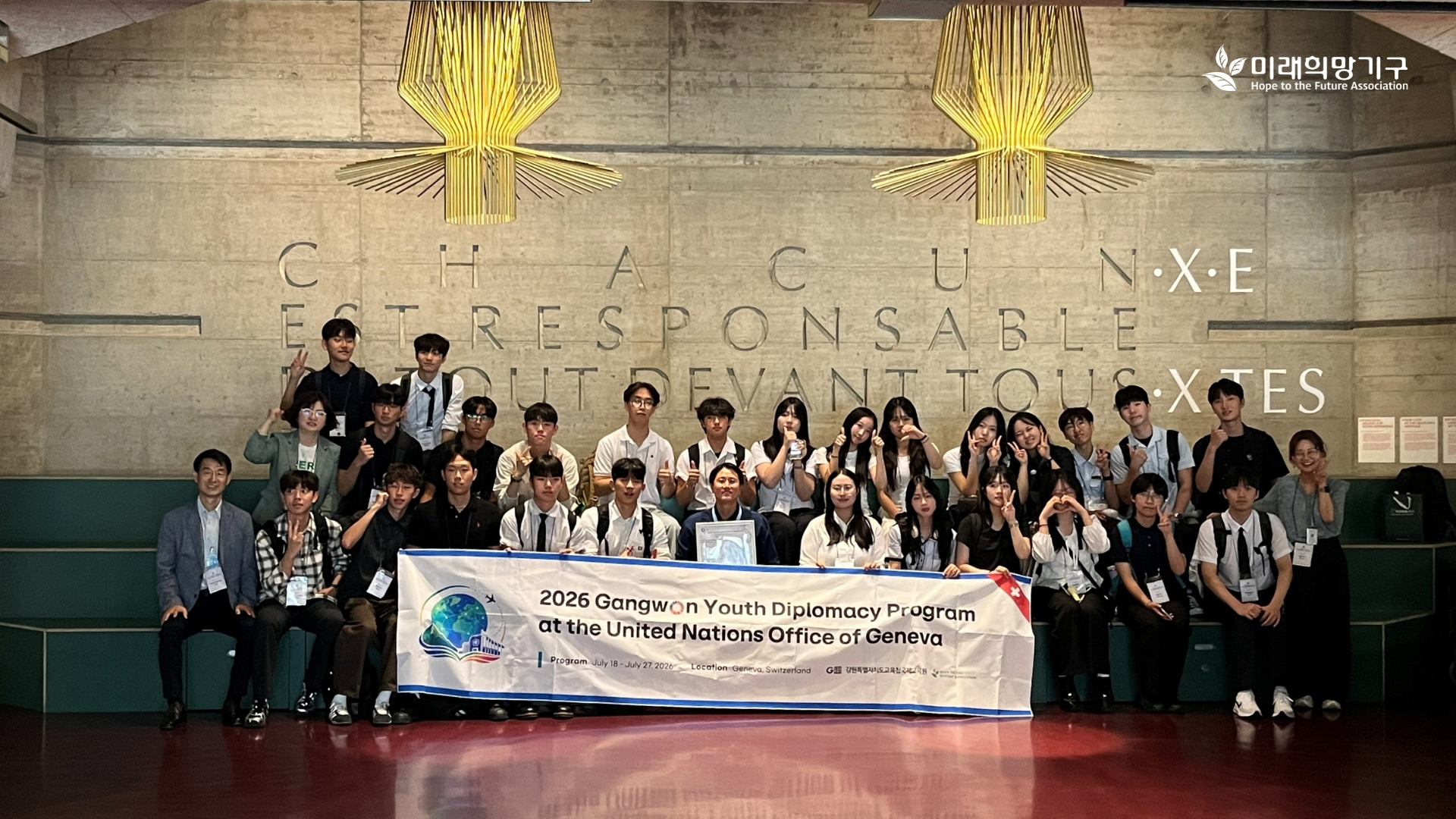
무엇보다 국제사회의 책임 있는 구성원으로 성장하겠다는 뚜렷한 목표의식을 바탕으로 모든 일정에 성실히 임해 준 학생들에게 깊은 격려와 찬사를 보냅니다. 앞으로 이어질 후반기 일정에서도 학생들이 이번 경험을 바탕으로 더욱 깊이 있는 질문을 던지고, 서로 협력하며, 글로벌 리더로서 한 단계 더 성장해 나가기를 기대합니다.


 글수
글수 


